Do Building Permits Increase Property Taxes? The Hidden Cost Of Home Improvements
February 04, 2026 10
Key Takeaways:
- Permit Visibility: Filing permits increases the chance of your home being reviewed by appraisal districts, which may affect your tax valuation.
- Impact Depends on Project Type: Not all permitted work leads to higher taxes. Structural and layout changes are more likely to prompt reassessment than cosmetic updates.
- Reassessment Timing Matters: If renovations are completed before January 1, they may influence your next tax bill. Work finished after that may not affect the current year.
When you’re making improvements to your home, pulling a permit can feel like just another box to check. It keeps things legal, keeps contractors accountable, and helps ensure safety codes are followed. But what many homeowners don’t realize is that this simple step could put your property on the radar for a higher tax assessment. Some projects might go unnoticed, while others can lead to a bigger tax bill the next year, depending on what kind of work is done and how visible it is to your local appraisal district.
At Property Tax Solutions, we’ve saved property owners millions by helping them challenge unfair valuations and excessive tax increases. Our process is backed by real data, Texas-based experts, and a deep understanding of how local appraisal systems work. When taxing authorities overlook key details or apply inflated values, we step in to make sure homeowners get a fair shake. We don’t outsource. We don’t guess. We simply do the work to push back and save you money.
Understanding Property Taxes In Texas
In Texas, property taxes are calculated based on the appraised value of your home, which is determined annually by your local appraisal district. This value reflects what the home could reasonably sell for on the open market as of January 1 each year. Appraisal districts use factors such as location, lot size, square footage, age, and recent comparable sales to determine this figure.
Unlike many other states, Texas does not collect income tax. Instead, local governments rely heavily on property taxes to fund public services like schools, emergency response, infrastructure, and libraries. That reliance puts pressure on appraisal districts to stay up to date on property conditions and one of the primary indicators they monitor is the presence of building permits.
When a homeowner pulls a permit for upgrades or renovations, that action can flag the property for review. It doesn’t always lead to a higher valuation, but it does raise visibility. And depending on the type of work done, the changes may affect your home’s appraised value and, by extension, your annual property tax bill.

What Happens When You Pull A Permit For Home Improvements?
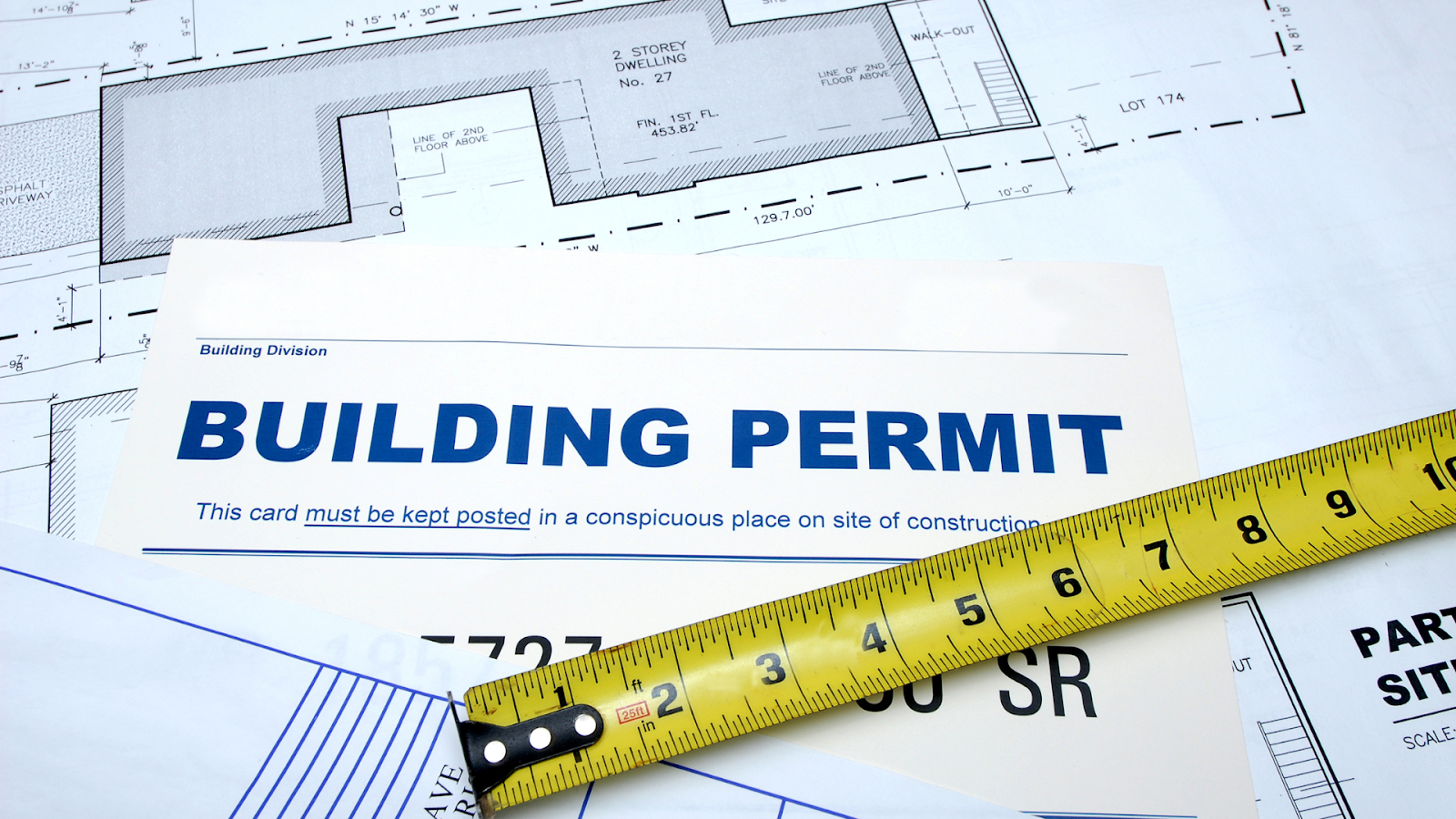
Pulling a building permit is often seen as a necessary step to keep home improvements legal and safe. But beyond ensuring code compliance, permits also serve as a signal to local appraisal districts that your property might be changing. That signal can lead to a reassessment, depending on the scope and visibility of the work being done:
Permits Become Part Of The Public Record
When you file for a permit, that action is logged in a public database. Appraisal districts regularly monitor these records to identify which properties are undergoing renovations. Once your address is flagged, your home may be reviewed, even if the project is still underway.
Structural Work Attracts More Attention Than Cosmetic Changes
Not all permitted projects affect your property taxes. Basic cosmetic updates like painting or replacing flooring typically go unnoticed in terms of valuation. In contrast, projects that change your home’s layout, square footage, or core structure are more likely to be interpreted as adding market value.
Permits Can Trigger On-Site Inspections
Depending on the type of work, some permits may prompt a field visit from an appraiser. This is more common when the work significantly alters the home, such as adding a room or converting a garage. Even if a physical inspection doesn’t happen, your property details could still be updated using permit information.
How Permits Can Trigger A Property Reassessment
Filing a building permit doesn’t automatically raise your property taxes. However, it can set off a chain of events that may lead to a reassessment of your home’s value. Understanding how that process unfolds can help you better prepare and respond:
Permits Signal Possible Value-Adding Improvements
When a permit outlines work that increases your home’s size, functionality, or condition, appraisal districts may interpret it as a potential upgrade. Even if the work is not yet completed, the presence of a permit can act as an early indicator that your home might be more valuable than previously recorded.
Property Records Are Updated With New Details
If an appraisal district determines that your renovation materially changes the home, it will update your property’s characteristics. These updates might include additional square footage, new rooms, or enhanced features. Once those changes are logged, they are used to recalculate your home’s appraised value.
Reassessments Align With The Annual Valuation Cycle
Timing is important in Texas property tax law. Appraisal districts capture your home’s condition as of January 1 each year. If your renovation is completed before that date, the updated value may appear on your very next tax bill. If the project extends past January 1, the changes might not impact your assessment until the following tax year.
Common Home Improvements That May Raise Your Property Value
Not all upgrades affect your property taxes, but some types of home improvements are more likely to trigger a reassessment. These changes often enhance the structure, add usable space, or modernize key areas of the home. Here are the types of renovations that typically attract closer attention from appraisal districts:
Room Additions And Increased Square Footage
Adding a new bedroom, bathroom, or expanding the home’s footprint is one of the most common reasons for a higher appraised value. These changes increase the total livable area, which directly influences how your home is compared to similar properties in your neighborhood.
Kitchen And Bathroom Remodels
Full remodels of kitchens or bathrooms often involve plumbing, electrical, and layout changes that can be considered structural improvements. While surface-level cosmetic updates may not have an impact, a full-scale renovation can lead to a higher valuation based on improved condition and appeal.
Garage Conversions And Enclosed Patios
When a garage is turned into livable space or a patio is enclosed, it changes how the property functions. These adjustments typically increase usable square footage, which is a key metric in appraisal models.
Permanent Outdoor Upgrades
In-ground pools, large decks, and outdoor kitchens are examples of permanent features that may be factored into a reassessment. Because these additions enhance the property’s utility and market value, they are often included in updated records once completed.

Permits Vs. Appraised Value: It’s Not Always A Direct Connection
Pulling a permit doesn’t always guarantee that your property taxes will go up. The relationship between permitted work and appraised value depends on multiple factors, including the type of work done, how it compares to similar homes, and whether it changes the overall marketability of the property. Understanding this distinction is key to setting realistic expectations:
Not Every Permit Leads To A Higher Value
Some improvements, such as replacing an HVAC system or upgrading an electrical panel, may require a permit but don’t significantly affect your home’s value. If the work doesn’t add space or improve curb appeal, the appraisal district may consider it routine maintenance rather than a market enhancement.
Valuations Are Based On Comparable Properties
Even if a reassessment is triggered, your home’s new appraised value will be influenced by comparable sales in your area. Appraisal districts adjust for size, age, and condition to generate a value that reflects local market trends. A permitted improvement that doesn’t push your home beyond the typical standards of nearby properties might have minimal effect.
Visibility And Timing Make A Difference
If work is completed after January 1 or is not easily detectable from public records or aerial imagery, it may not be factored into that year’s valuation. Permits do increase visibility, which is why they often prompt a review. However, without completed work or visible change, there may be no immediate impact on your property tax.
How Property Tax Solutions Helps Homeowners Push Back On Increased Valuations
A home improvement project that results in a noticeable jump in your appraised value can leave you with more questions than answers. Understanding your rights as a homeowner and how to challenge questionable assessments is essential. Property Tax Solutions offers a hands-on approach rooted in research, local knowledge, and responsive support:
Data-Backed Analysis For Fair Property Values
Property Tax Solutions uses advanced data tools to analyze real estate values and identify relevant comparable properties. Instead of relying on surface-level comparisons, they dig into specifics like square footage, year built, lot characteristics, and overall condition. This gives homeowners a well-grounded basis for challenging overinflated appraisals.
Local Professionals Who Understand The System
With a team that focuses solely on Texas property taxes, Property Tax Solutions brings deep insight into how appraisal districts operate. Their professionals are familiar with local trends and understand how to navigate the protest process. This local focus gives clients a clear advantage during valuation disputes.
Straightforward Help When You Need It
If your home improvement resulted in a higher tax bill and you’re unsure what to do next, support is available. The team at Property Tax Solutions is ready to evaluate your case and help you determine the best path forward.

Final Thoughts
Home improvements can make your property more enjoyable and increase its market value, but they can also carry unintended consequences when it comes to your property taxes. Pulling a permit might seem like a routine step in the renovation process, but it can alert appraisal districts to changes that result in a higher assessed value. This is especially true for upgrades that add space, modify your home’s structure, or significantly enhance its features.
That doesn’t mean you should avoid improving your home. It simply means it’s worth understanding how those improvements could affect your tax situation and planning accordingly. Not every permit leads to a reassessment, but when one does, it’s important to know your options and how to respond effectively.
If your property’s assessed value increased after a renovation and you want to know if you’re being fairly taxed, you can explore potential savings through a quick review. Check how much you could be overpaying and take the first step toward getting your property taxes back under control.
Frequently Asked Questions About Do Pulling Permits Increase Property Taxes
Do permits for commercial buildings also trigger property tax reassessments?
Yes. Just like residential permits, commercial permits can lead to reassessments if the improvements increase the building’s value or functional use.
Is a permit required for replacing a roof in Texas?
In many Texas municipalities, yes. Roofing often requires a permit because it involves structural components and weatherproofing, both of which affect long-term value.
Can building permits affect other tax-related exemptions?
Permits themselves don’t cancel exemptions, but if your home’s value increases significantly, it may reduce the benefits you receive from exemptions like the homestead cap.
How do appraisal districts find out about unpermitted work?
They can use aerial imagery, property sales disclosures, MLS data, or neighbor reports to detect unpermitted changes, even if no permit was filed.
Do minor landscaping projects require permits or impact taxes?
Most landscaping projects do not require permits and typically have no effect on property taxes unless they involve permanent structures like retaining walls or pools.
If I sell my house after renovations, will the new owner face higher property taxes?
Yes. The sale price becomes part of public record and often leads to a new valuation based on that transaction, especially if improvements were made before the sale.
Can I dispute a property tax increase that resulted from a permit?
Absolutely. If the reassessed value seems too high or not aligned with local market data, you can file a protest through your appraisal district.
Will withdrawing a permit stop a reassessment?
Not necessarily. If work has already started or was documented, withdrawing the permit may not prevent the appraisal district from updating the property record.
Do permits for energy-efficient upgrades affect taxes?
Sometimes. While items like solar panels can raise appraised value, Texas offers exemptions in some counties to offset their impact on taxes.
Can I request a reassessment after improvements if I believe my taxes are too high?
Yes. If you think the valuation is excessive, even after improvements, you can request a formal review or protest to ensure fair treatment.