Key Takeaways:
- How Property Taxes Are Calculated: Each state applies its own assessed value rules, local tax rates, and exemption programs, creating significant differences in what property owners owe annually.
- States with the Highest and Lowest Property Tax Rates: Illinois leads the nation at 1.84%, while Hawaii holds the lowest rate at 0.33%, reflecting how broadly tax burdens vary across the country.
- What Your State Rank Really Means: A state’s ranking in a property tax comparison only sets the backdrop; your individual assessed value and eligible exemptions ultimately determine what you pay.
Property taxes by state vary more than most homeowners realize. Each state sets its own rules for how properties are valued, what rates apply, and which exemptions are available. Those differences can mean thousands of dollars separating a homeowner in Illinois from one in Hawaii, even when both own comparable properties. Knowing where your state stands is the first step toward understanding whether your tax bill is fair.
At Property Tax Solutions, we have spent decades helping Cook County property owners challenge inaccurate assessments and recover savings they were owed. Founded by a licensed attorney and CPA and run by some of the County’s sharpest assessment analysts, our only business is Cook County property taxes.
In this article, we will break down how property taxes are calculated, which states carry the highest and lowest rates, and what Cook County owners can do when an assessment falls short of fair.
How Property Taxes Are Calculated: A State-By-State Breakdown
Understanding property taxes by state starts with recognizing that no two states follow the exact same formula. Each jurisdiction sets its own rules for valuation, rates, and relief programs, which is why property tax rates by state can differ so significantly even between neighboring states. Here is what drives those differences:
Every property tax calculation begins with an assessed value. An ad valorem tax system ties this directly to your property’s estimated worth, though some states tax 100% of market value while others apply a fractional ratio.
Once the assessed value is set, local taxing bodies layer on their own rates. Exemptions for homeowners, seniors, and veterans then reduce the taxable portion before any rate is applied, making them one of the most straightforward ways to lower what you owe annually.
States With The Highest Property Tax Rates
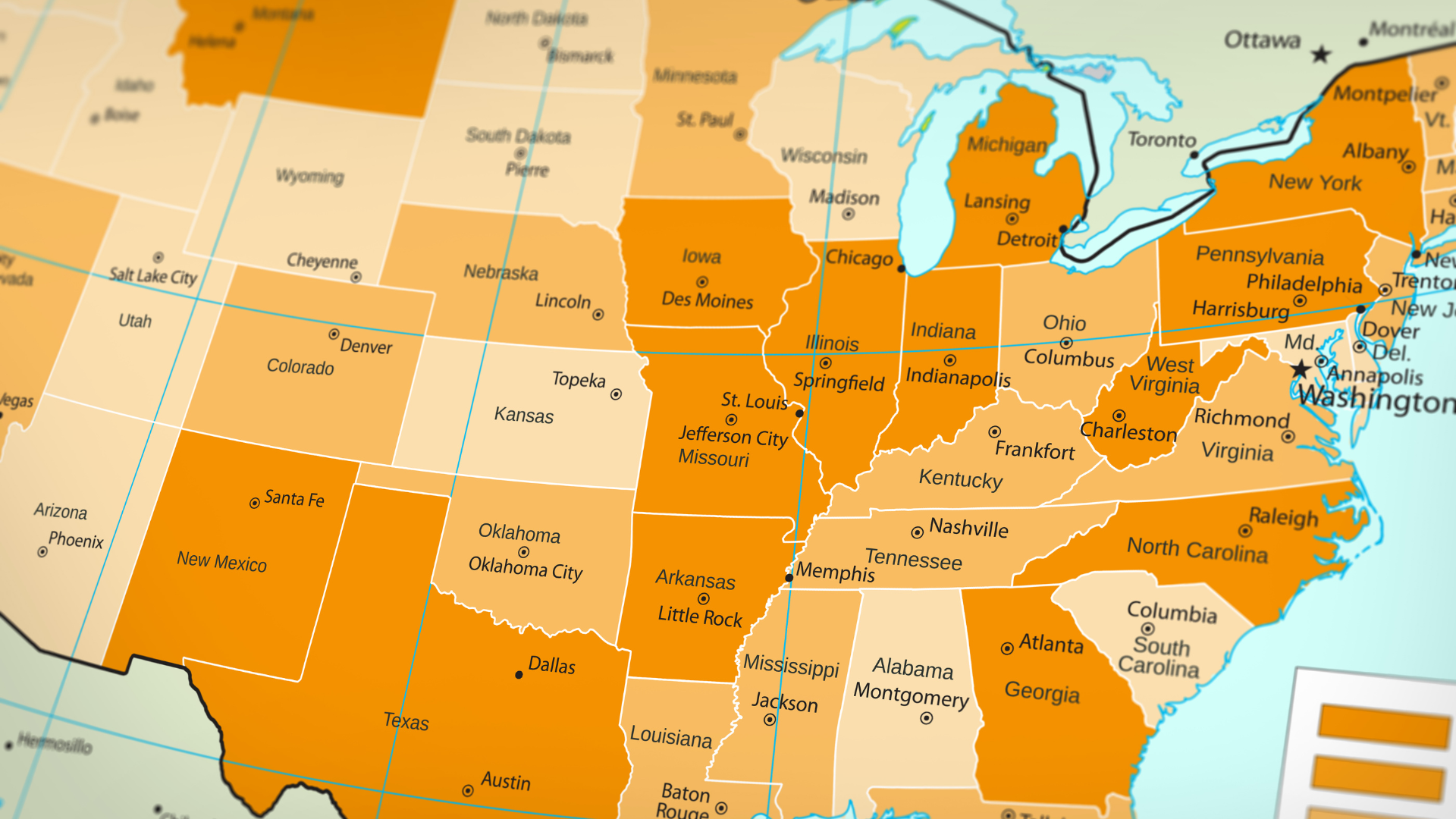
Tracking the highest property taxes by state reveals a clear pattern: northeastern and midwestern states consistently top the list. Effective tax rates in these regions often reflect heavier reliance on property tax revenue to fund schools, public services, and local infrastructure. Based on 2023 Tax Foundation data, here are the states where property owners carry the heaviest burden:
Illinois And New Jersey: The Consistent Leaders
Illinois holds the highest effective property tax rate in the country at 1.88%, with New Jersey tied at the same number. Both states rely heavily on local property taxes to fund public education and municipal services. Homeowners in these states often pay thousands more annually than the national average.
The Midwest Cluster: Ohio, Nebraska, And Wisconsin
Ohio, Nebraska, and Wisconsin each carry effective rates above 1.32%, driven largely by school funding structures that lean on local property tax revenue. A state property tax comparison across this region shows consistently above-average burdens for residential property owners, leaving little room for relief without a formal appeal.
Texas: High Rates Without An Income Tax Offset
Texas sits among the top five nationally with an effective rate of 1.40%. Because the state collects no personal income tax, local governments depend more heavily on property tax revenue to cover services. Cook County property owners facing similar pressures can explore their options through our Appeal Basics.

States With The Lowest Property Tax Rates
The lowest property taxes by state are concentrated in the South and West, where a mix of lower home values, alternative revenue sources, and state-level caps keep annual bills manageable. Understanding where these states land in the average property tax by state rankings can put your own bill in perspective. Here is a breakdown of the regions and policies driving those lower numbers:
Hawaii, Idaho, And Arizona: Rates Below 0.50%
Hawaii carries the lowest effective property tax rate in the country at just 0.29%, followed by Alabama at 1.37% and Utah at 0.48%. Lower rates in these states often reflect strong tourism revenue and alternative funding streams that reduce pressure on property owners. For many homeowners, that translates to significantly smaller annual bills.
The Role Of Assessment Caps And Ratios
Several low-rate states use fractional assessment ratios or annual increase caps to keep taxable values in check. Colorado, for instance, applies a residential assessment ratio that taxes only a small percentage of a home’s full market value. These structural policies make property tax obligations more predictable year over year.
What Low Rates Do Not Always Mean
A low rate does not automatically guarantee a low bill. In markets where home values are high, even modest rates can produce substantial tax obligations. Reviewing both your assessed value and applicable exemptions is essential, and understanding real estate vs personal property tax distinctions can clarify exactly what portion of your property is being taxed.
Final Thoughts
Property taxes by state tell only part of the story. Where your state ranks matters, but what matters more is whether your individual assessment is accurate and fair. Rates shift, market values change, and exemptions go unclaimed every year, leaving many property owners paying more than they should. Your priority is our priority, and at Property Tax Solutions, that means saving you money on property taxes through experienced legal and tax representation backed by decades of Cook County expertise.
A strong appeal starts with the right preparation. Our cutting-edge analytics and personalized approach means your case is built on official assessment data tailored to your property. With no upfront fees and a team focused exclusively on Cook County property taxes, you have nothing to lose by finding out where you stand.
Frequently Asked Questions About States With No Property Tax
What is an effective property tax rate?
An effective property tax rate represents the actual percentage of a home’s market value paid in property taxes annually, making it a reliable measure for comparing tax burdens across states.
Do all states collect property taxes?
Every U.S. state levies some form of property tax, though the rates, assessment methods, and exemption programs differ significantly from one state to the next.
Can you negotiate your property tax bill directly with the government?
You cannot negotiate a tax bill outright, but you can formally challenge the assessed value your local jurisdiction used to calculate it.
How do school districts affect property tax bills?
School districts are among the largest consumers of property tax revenue, and their funding needs often account for the biggest share of a homeowner’s total annual bill.
What happens if property taxes go unpaid?
Unpaid property taxes can result in penalties, interest, and eventually a tax lien placed against your property, which can escalate into a forced sale if left unresolved.
Are commercial properties taxed the same way as residential ones?
Commercial properties are typically assessed using income-based valuation methods rather than comparable sales, which often results in a different effective tax rate than residential properties in the same area.
Does moving to a lower-tax state guarantee savings?
Relocating to a lower-tax state reduces your rate on paper, but your total bill still depends on your home’s assessed value, local levies, and available exemptions in that specific county.
Can a recent home purchase trigger a higher assessment?
In many states, a recent sale is treated as evidence of market value, which can prompt appraisers to reassess the property at or near the purchase price.